Choosing the Right Coat Care Routine for Your Dog's Breed
Every coat tells a different story. At Thread & Paw Grooming, we tailor brushing, bathing, trimming, and de-shedding routines to your dog's breed, coat texture, and seasonal needs so they stay comfortable, healthy, and beautifully groomed.

Start with the coat type, not just the breed name
Breed is a helpful starting point, but coat density, curl pattern, undercoat volume, and shedding cycles determine how often a dog needs brushing, bathing, trimming, and professional maintenance. A routine that works for one poodle mix may not suit another, even within the same breed category.
Single-coat breeds
Dogs with silky, short, or single-layer coats benefit from regular brushing to remove loose hair and distribute natural oils. Light conditioning sprays and gentle detangling tools help keep the coat smooth without weighing it down.
Brushing frequency
For many single-coat breeds, brushing two to three times per week is enough to prevent tangles and maintain shine. Short-haired dogs may need less frequent grooming, while longer feathered coats usually need more attention around ears, legs, and tails.
Double-coat seasons
Double-coated dogs often need seasonal blowouts and thorough de-shedding appointments, especially in spring and fall. These visits help remove undercoat buildup, improve airflow to the skin, and reduce hair around the home.
Curly and wire coats
Curly and wire-coated breeds usually need professional trimming every four to eight weeks to preserve shape and comfort. Regular scissor work, coat carding, and sanitary tidying keep the look neat while preventing matting in high-friction areas.
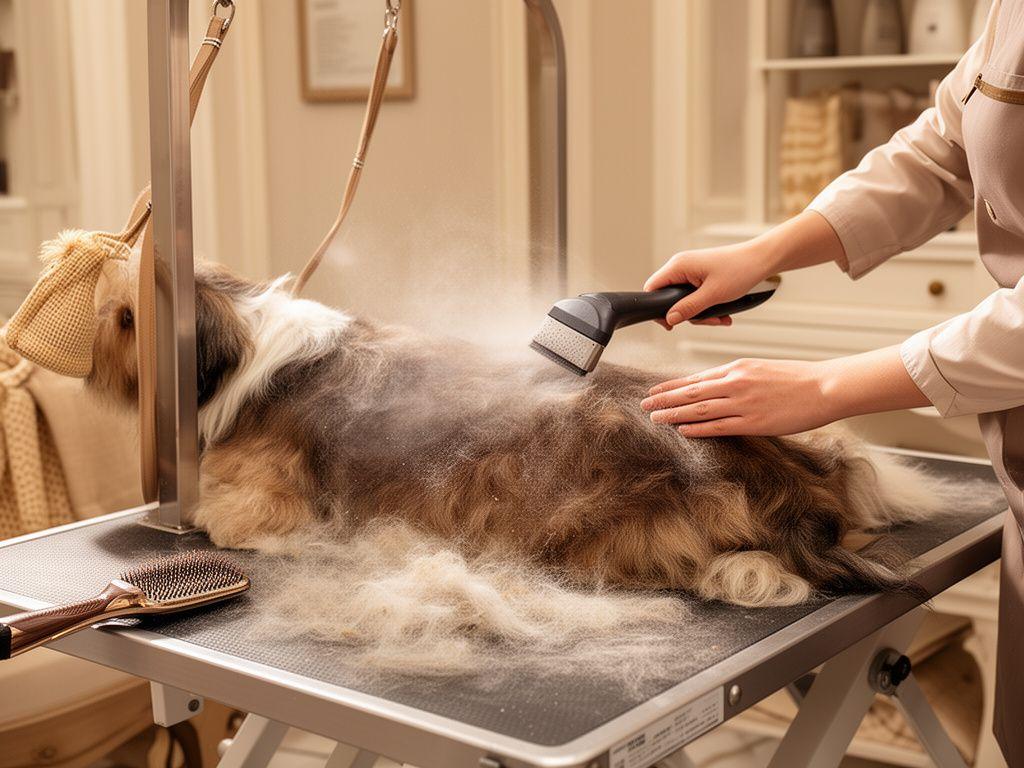
Double-coated dogs: support the undercoat, protect the topcoat
Golden retrievers, huskies, shepherd mixes, spitz breeds, and other double-coated dogs can look polished on the surface while carrying a dense undercoat beneath. Without proper routine care, that undercoat can trap dirt, shed heavily, and make the skin feel crowded.
Our approach focuses on deep brushing, safe blow-drying, and targeted de-shedding rather than shaving. Preserving the natural coat structure helps your dog regulate temperature and keeps the finish full, soft, and healthy.
Curly, wiry, and mixed-texture coats: schedule trims with intention
Curly coats can trap moisture and tangles, while wiry coats need the right balance of shape and texture to avoid looking fuzzy or over-softened. Mixed coats often combine multiple grooming needs in one body, which is why a one-size-fits-all routine rarely works.
We recommend trimming schedules based on growth rate, coat style, and the finish you want to maintain. Some dogs need a tidy every month, while others do best with a longer grooming cycle paired with home brushing and combing.
Curly coats
Keep curls open and fluffy with regular comb-outs, moisturizing shampoos, and trims that prevent the coat from compressing into mats around the legs, belly, ears, and collar line.
Wiry coats
Preserve crisp texture with controlled hand-scissoring or breed-appropriate shaping. Over-bathing or heavy conditioners can soften the coat too much, so product choice matters.
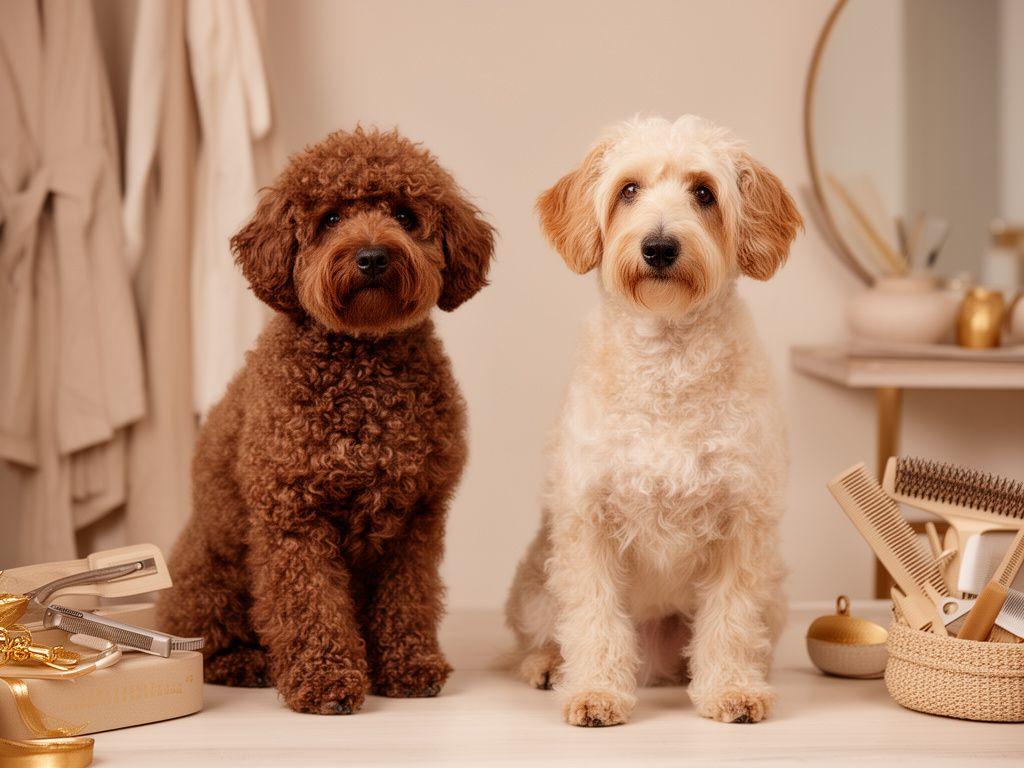
A routine built around comfort and style
The best coat plan keeps your dog comfortable between visits, supports skin health, and maintains the look that suits their breed or mix. We adjust each routine so the results are polished but never overprocessed.
Need a custom coat plan for your dog?
Bring us the details about your dog's breed, shedding pattern, favorite activities, and grooming history. We'll recommend a routine that fits their coat, your schedule, and the level of maintenance you want at home.